
Reupholstery
Reupholstery in Pinner for
Furniture Worth Keeping,
Re-Covered to Suit the Room
A frame you already like, re-covered in a fabric rated for the way the piece is actually used and chosen against your curtains, so the room reads as one scheme instead of a set of separate purchases.
Send a photo of the piece, or book a visit. We will tell you honestly whether re-covering is the right call.
Who You Are Dealing With
- Experience
- Transforming properties for over 15 years
- Consultation
- Free, in your own home
- Workroom
- Marsh Road, Pinner
- Measured & fitted
- Managed by us end to end
- Fabric viewing
- In your own room and light
- Registered company
- Adey Interiors Ltd · 11091485
- Guarantee & insurance
- Not Provided
What this service is, and who it is for
What reupholstery involves
Reupholstery means stripping a piece back, assessing what is underneath, and rebuilding the cover, with attention to the parts that decide comfort: webbing, springs, padding and cushion interiors, not only the visible fabric.
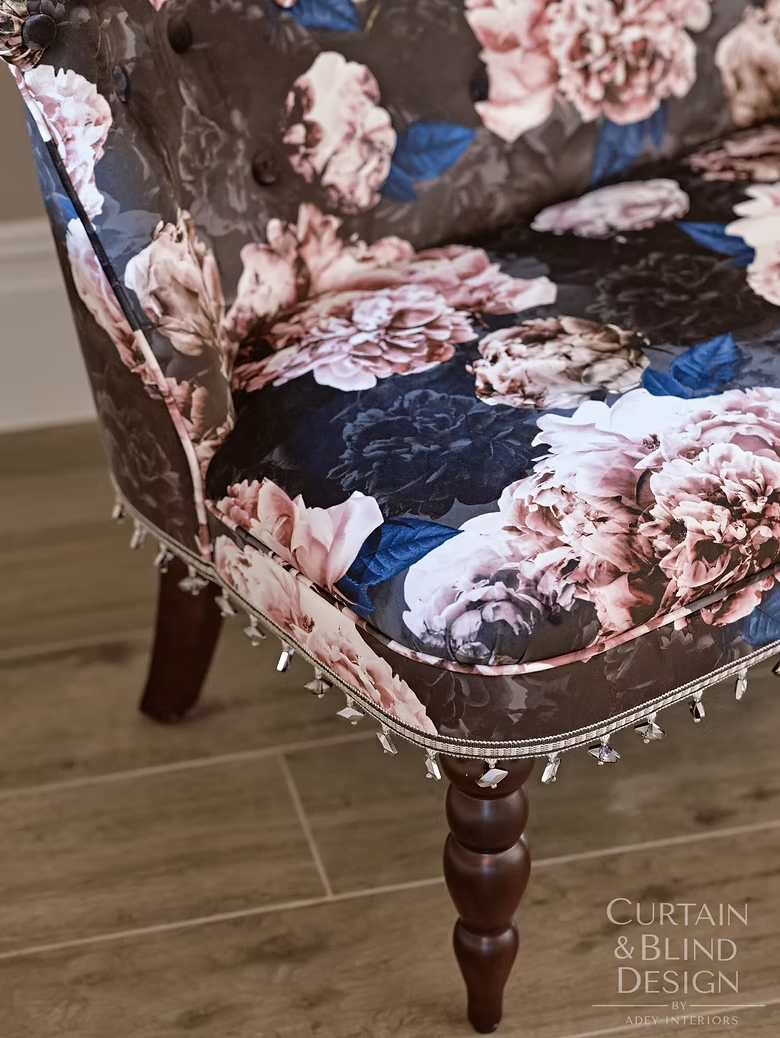
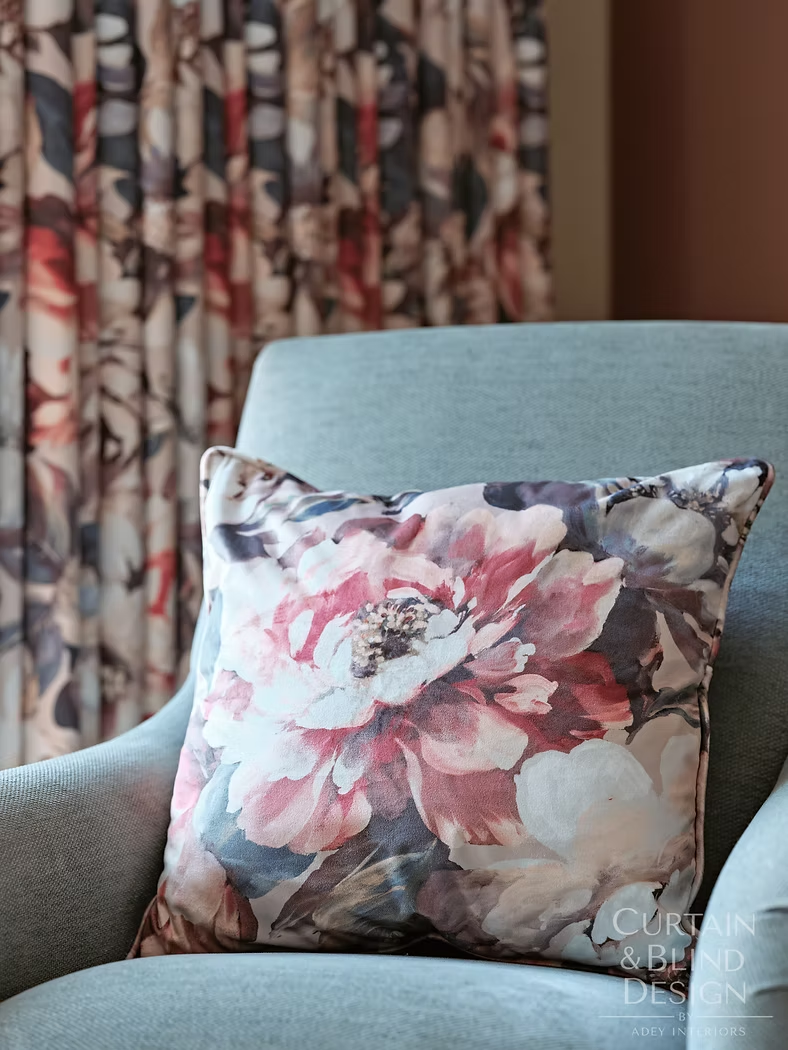
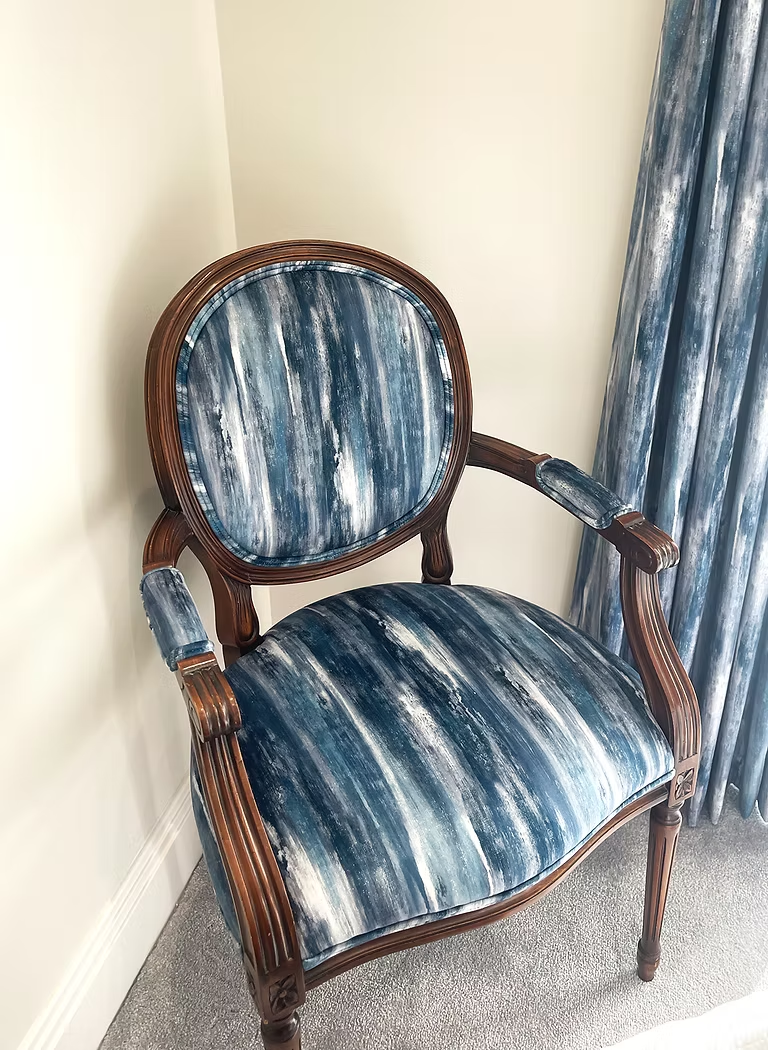
We re-cover sofas, armchairs, dining chairs, headboards, window seats, ottomans and stools. Fabric is chosen to sit alongside your window dressings, so upholstery and curtains belong to the same palette rather than being coordinated by accident.
We also advise on whether re-covering or reworking the frame and cushions is the better decision, and on fabric durability for the way the piece is actually used.
Who it is for
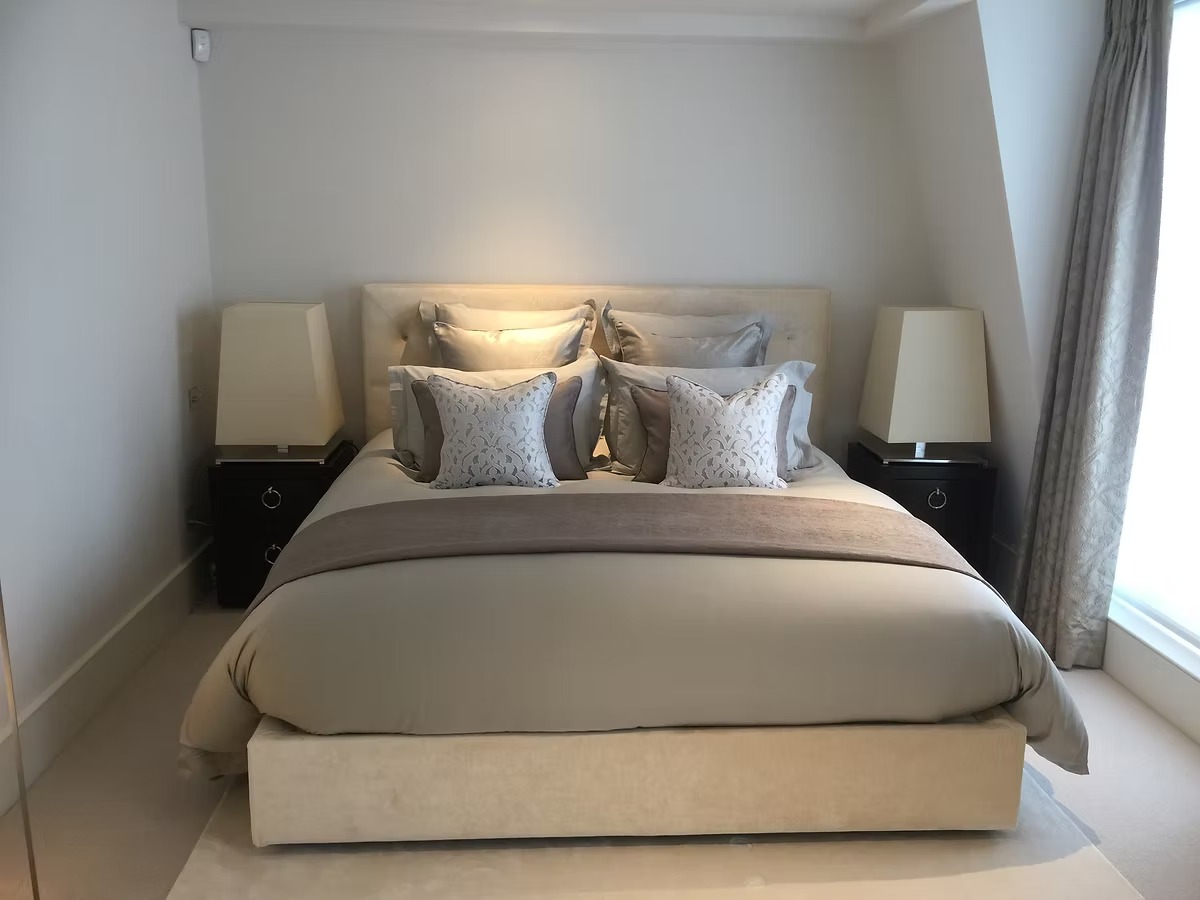
People with a frame worth keeping: an inherited armchair, a well-made sofa that is comfortable but tired, dining chairs whose seats have gone shiny, or a headboard that no longer matches a redecorated bedroom.
Also for anybody who has priced a replacement of similar build quality and found the modern equivalent both more expensive and less solid than the piece already in the room.
And for whole-room projects, where curtains, blinds, cushions and upholstery are being resolved together as a single scheme across Pinner, Northwood, Rickmansworth, Chalfont and central London.
When it is needed
When fabric has worn through at the arms or the front edge of a seat, when the seat has gone soft and you sit lower than you used to, when a pet or a spill has taken a cover past cleaning, or when a scheme has changed around a piece that no longer fits it.
Sooner is cheaper than later. A cover worn through at the arm is a re-cover; the same chair left another two years with the padding compressed and the webbing sagging becomes a re-cover plus a rebuild.
Why the professional route matters
The fabric is the last decision, not the first. Rub rating, weave, backing and cleaning code decide whether a cover lasts on a family sofa or pills within a year. A beautiful loose-weave linen on a dining chair used every day is a specification error, not a taste question.
Cut and fit are the rest of it. Pattern has to be centred and aligned across cushions and back panels, piping and seams have to follow the shape of the frame, and cushion interiors have to be specified for the support you want rather than reused because they are already there.
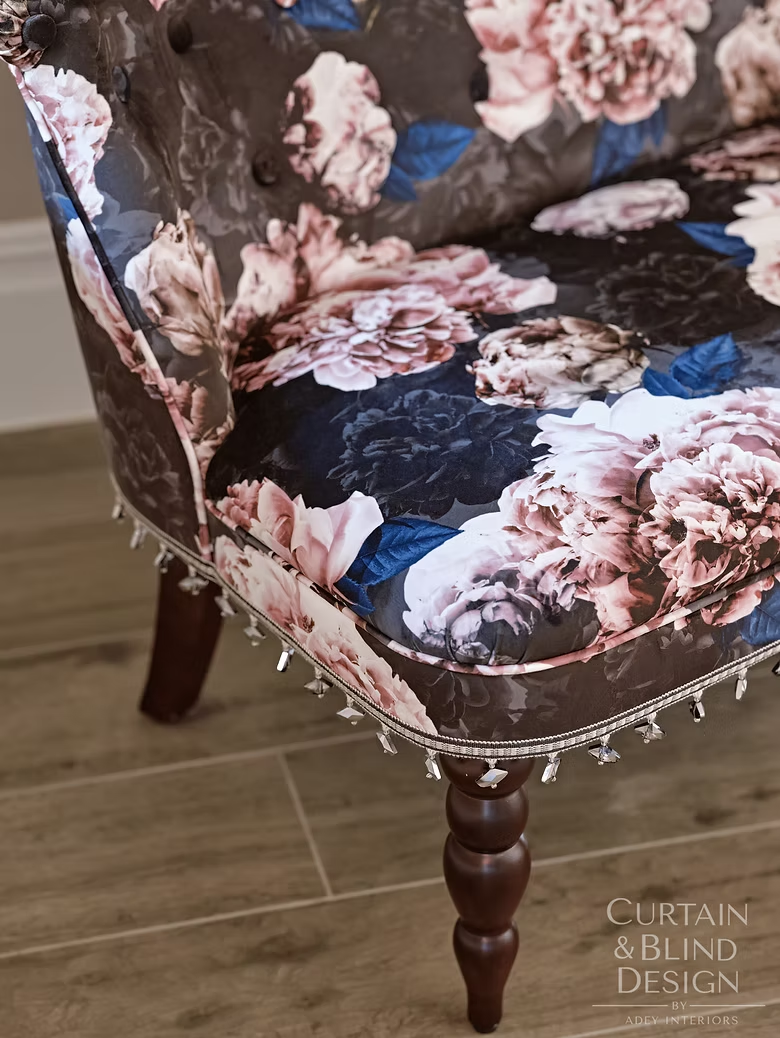
Reupholstery in our clients' homes
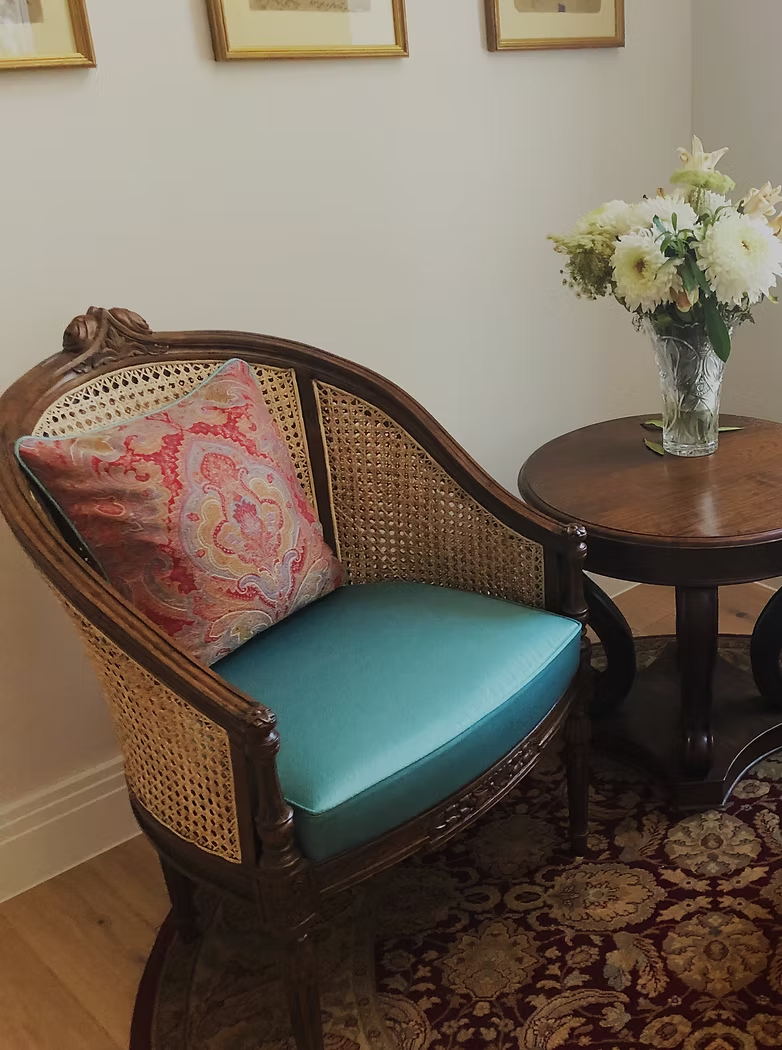
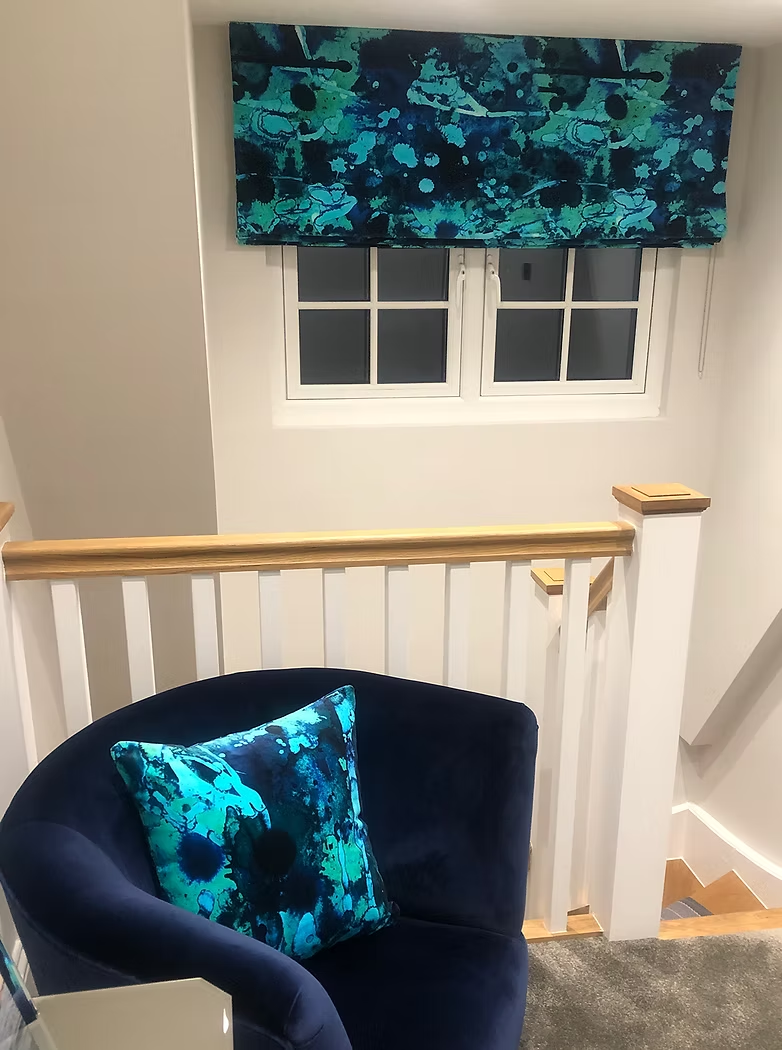
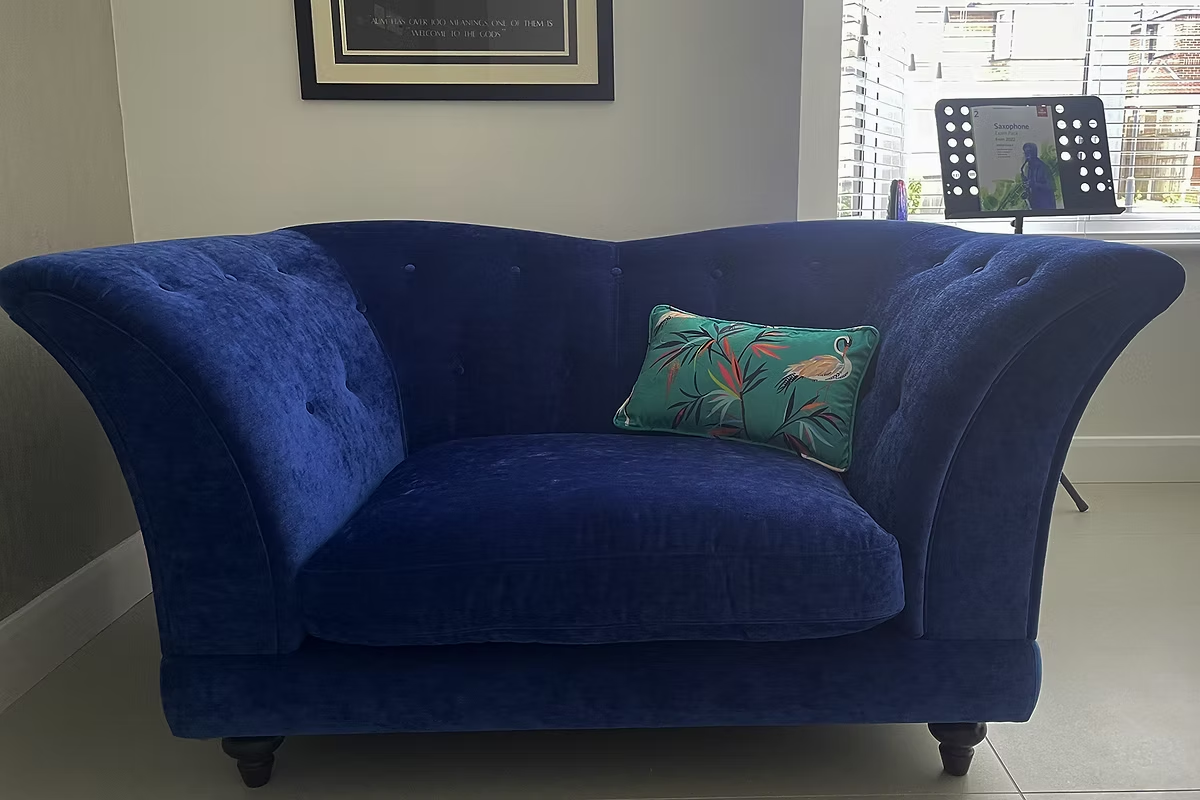
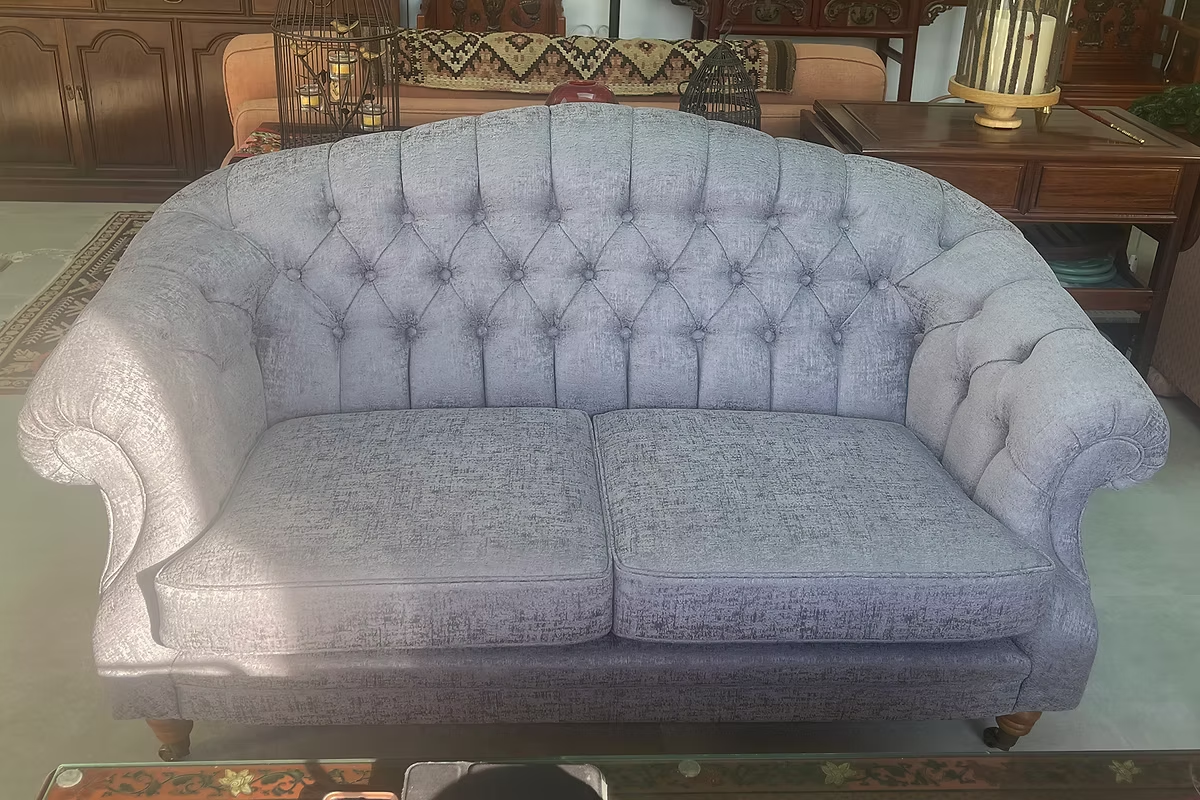
What it costs you to leave it
Damage moving from cover to frame
Once a cover splits, wear moves to the padding and then to the webbing and joints. What would have been a re-cover becomes a rebuild, and the cost difference is not marginal.
The wrong fabric failing early
A decorative fabric with a low rub rating on a sofa used daily pills, thins at the arms and looks worse after a year than the cover it replaced. The fabric spend is lost, not amortised.
Replacing something better than its replacement
Older frames are frequently hardwood, jointed and repairable. Skipping to a new sofa often means paying more for a stapled frame and foam that will not take a re-cover at all.
How the work runs
Step 1
Inspection of the piece
We look at the frame, webbing, springs, padding and existing cover, and check how the piece is used: daily sofa, occasional chair, dining seat, bedroom headboard.
Step 2
Honest recommendation
You are told whether it is a straight re-cover, a re-cover plus cushion or webbing work, or a piece not worth the investment. Where it is not worth it, we say so.
Step 3
Fabric selection in the room
Samples are viewed against your curtains, walls and flooring, with the rub rating, cleaning code and pattern repeat checked against how the piece is used.
Step 4
Stripping and structural work
The old cover comes off, the frame and suspension are assessed properly, and webbing, springs, padding and cushion interiors are repaired or replaced as agreed.
Step 5
Cutting and covering
New fabric is cut with the pattern centred and matched across panels and cushions, then fitted to the frame with the piping, seams and detail following its shape.
Step 6
Checking and return
The finished piece is checked for fit, seat height and cushion behaviour, returned to the room, and you are given cleaning guidance specific to the fabric chosen.
What you get from it
Comfort restored, not just appearance
Addressing webbing, springs and cushion interiors brings back the seat height and support that a cover change alone leaves untouched.
Fabric matched to real use
Rub ratings and cleaning codes are chosen for a daily family sofa, a dining chair or an occasional bedroom chair, three genuinely different specifications.
Cost weighed against replacement
You get a clear comparison between re-covering a solid frame and buying new, including where new would be the better decision.
Longer life from a good frame
Hardwood frames and repaired suspension carry another long stretch of use, which is exactly what a stapled replacement will not do.
One scheme across the room
Because your curtains and blinds are specified by us as well, upholstery fabric is chosen against them rather than hoping two separate purchases agree.
Keeping the piece you like
The shape, the arm height and the proportion you already live with stay the same. Only the parts that wore out change.
Materials, methods and variations
Pieces we re-cover
Sofas and armchairs, including fixed-back and loose-cushion designs, wing chairs, club chairs and chaises. Dining chairs, from drop-in seat pads to fully upholstered backs. Headboards, from simple panels to buttoned and deep-buttoned designs.
Window seats, ottomans, footstools, blanket boxes and bedroom chairs. Window seat cushions in particular are worth specifying carefully, since they take sun and daily use and sit directly against the curtains we are making.
Fabrics, ratings and cleaning codes
Upholstery fabric is rated for abrasion, usually by Martindale rub count. Light domestic pieces can take a lower rating; a sofa in daily family use needs a heavy-duty rating, and a dining chair needs both abrasion resistance and a surface that does not trap food and dust.
Weave and construction matter as much as the number. Flat, tight weaves in wool or wool blends wear evenly. Cotton and linen union fabrics give a natural look with more structure than pure loose-weave linen. Velvets are hard-wearing and rich but show pressure marks in pile. Performance and stain-resistant finishes suit households with children and pets.
Cleaning codes tell you what can safely be used on a cover: water-based, solvent-based, or specialist only. We record the code for your fabric at handover so a future spill is not made worse by the wrong cleaner.
What sits under the cover
Webbing and springs are the suspension. Sagging webbing is why a seat feels low, and it is normally re-tensioned or replaced while the piece is stripped, since access is free at that point and expensive later.
Cushion interiors are a real choice: foam for firm, defined shape; foam wrapped in fibre for a softer top with structure retained; feather and down for the sink-in look that needs plumping. The right answer depends on whether you want a chair that holds its shape between visitors or a sofa you disappear into.
Frame work - re-gluing joints, replacing a broken rail, re-securing a leg - is assessed at strip-down and quoted before it is carried out, not added silently.
Domestic and contract pieces
In homes the decision balances appearance, comfort and the character of a piece you already care about, and the fabric can be chosen fairly freely as long as it matches the use.
For lettings, offices and hospitality the requirements narrow: high abrasion ratings, cleanable finishes, consistent specification across matching pieces, and in some settings fire-performance requirements for contract use. Where those requirements apply we specify to them rather than to appearance alone.
Local pieces we see, and caring for a re-covered piece
The pieces that come to us reflect the housing around us. Family houses in Pinner, Northwood, Rickmansworth and Chalfont bring sofas and armchairs in constant daily use, dining chairs with worn seat pads, and window seats in bays that take direct sun and daily sitting. Those jobs are led by durability: high abrasion ratings, cleanable finishes and cushion interiors chosen for support rather than softness alone.
Flats and townhouses in Kensington, Chelsea, Belgravia, Hampstead and Primrose Hill more often bring occasional pieces - wing chairs, buttoned headboards, ottomans and bedroom chairs - where the priority shifts towards fabric character, period-appropriate detailing and hand-finished trim. Access matters more in those addresses too, so collection, stair widths and lift dimensions are checked when the visit is booked rather than on the day.
Once a piece is back in the room, its life depends largely on two habits. Rotate and plump loose cushions regularly so wear and compression spread evenly rather than concentrating in one seat. Keep upholstery out of sustained direct sunlight where you can, since fading and fibre weakening from UV is the damage most people notice too late. Deal with spills immediately using the method allowed by the fabric's cleaning code, which we record for you at handover, and have heavily used pieces professionally cleaned rather than scrubbed at home.
Questions we are asked
How much does reupholstery cost?
It depends on the piece, the fabric quantity and price, and whether webbing, springs or cushion interiors need work. Published price ranges: Not Provided. We inspect the piece and quote in writing, with any structural work itemised separately.
How long does it take?
Timescale depends on the piece, the work needed and fabric availability. Stated turnaround times: Not Provided. We confirm a date when the fabric and specification are agreed.
Is it worth reupholstering, or should I buy new?
It depends on the frame. A jointed hardwood frame is usually worth re-covering; a stapled frame with collapsed foam often is not. We tell you which you have, including when the answer is to replace.
Can I supply my own fabric?
Yes. We will check the width, repeat, rub rating and cleaning code against the piece and how you use it, and tell you before cutting if it is unsuitable.
How much fabric will my sofa need?
Quantity depends on the piece's dimensions, the fabric width and the pattern repeat, a large repeat that must be centred and matched needs noticeably more. We calculate it at survey and confirm it in the quotation.
Do you collect and deliver the furniture?
Collection and delivery arrangements are agreed case by case depending on the piece and your address. Tell us where you are and what the access is like when you enquire.
How long will a re-covered piece last?
That comes down to fabric rating and use rather than a fixed figure, so we will not publish one. Choosing an abrasion rating that matches real use is the single biggest factor.
Is the work guaranteed?
Guarantee terms: Not Provided. Tell us what you need confirmed and it will be set out in writing with your quotation.
Can you match upholstery to curtains you are making?
Yes, and it is the reason many clients bring both to us at once. Fabrics are viewed together in the room so the upholstery, curtains, blinds and cushions resolve as one palette.
Do you cover reupholstery outside Pinner?
Yes. Pinner, Northwood, Rickmansworth and Chalfont locally, plus Kensington, Chelsea, Belgravia, Hampstead and Primrose Hill.
Where this work takes us
Next Step
Find out whether your piece is worth re-covering
Send a photo or book a visit. We will inspect the frame and suspension, tell you what the piece actually needs, and quote the fabric and work separately so you can see what you are paying for.
Send a photo of the piece, or book a visit. We will tell you honestly whether re-covering is the right call.